CSIA-Certified • Licensed & Insured
Water stain near the chimney, or a damp patch in the attic? Nine times out of ten it's the flashing, crown, or liner — and it gets worse with every rain.
Free estimate · No service fee · No obligation
Quick Answer
Where do chimney leaks actually start?
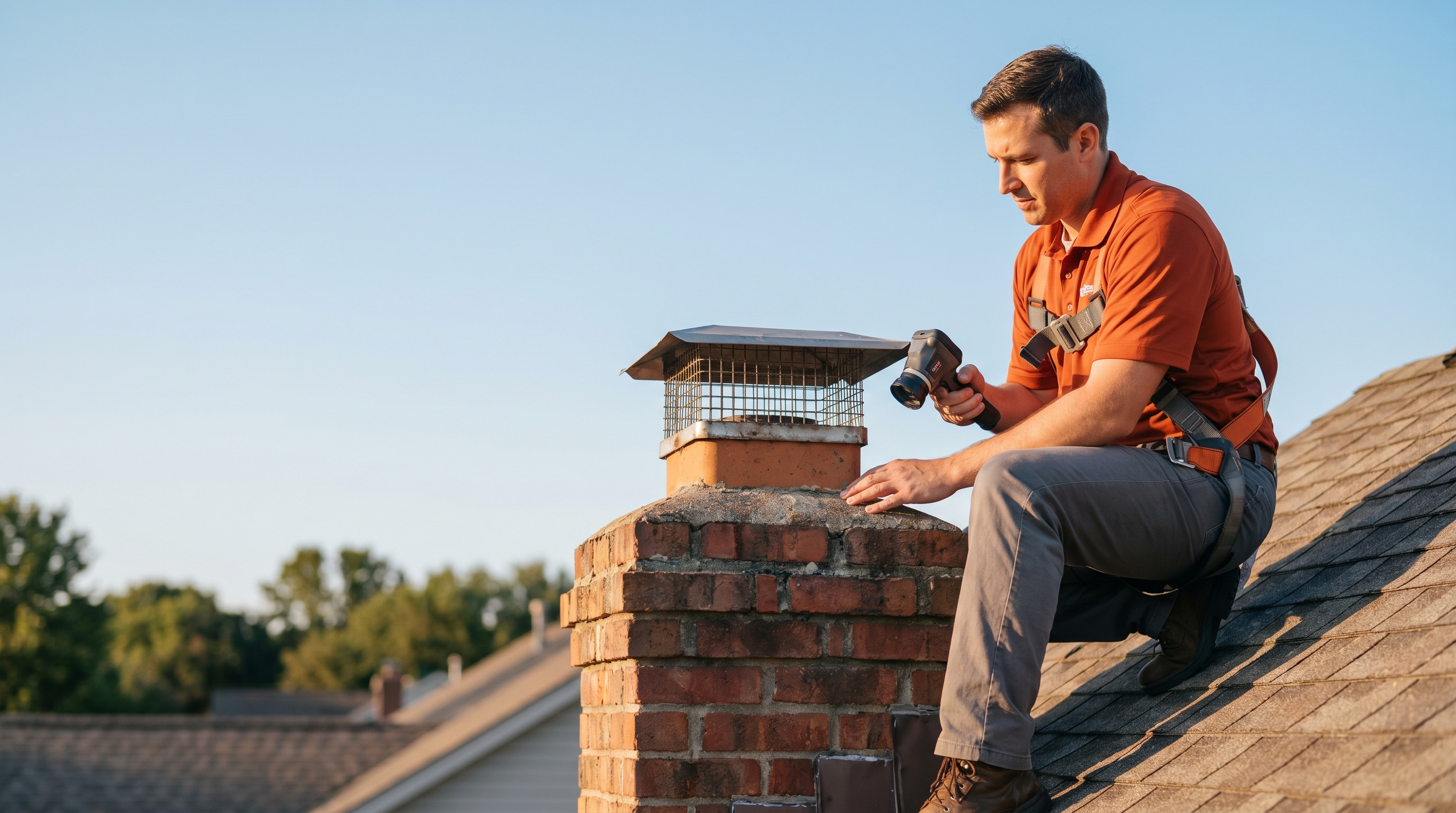
Almost always at the top — a missing cap, a cracked crown, or failed flashing where the chimney meets the roof. Crown and flashing work typically runs $300–$1,500. A free estimate tells you which it is.
Key Takeaways
Need chimney leak repair? Water at the chimney almost always traces back to the flashing, the crown, or the liner. The hard part isn't the fix — it's finding exactly where it's getting in. That's what the free estimate is for.
If the leak shows up only in heavy rain, it is usually flashing or the crown — a targeted seal fixes it.
If you have attic condensation or staining, it may be the liner or an unlined flue; the trade-off is a bigger fix now versus structural water damage later.
If you have had several opinions already, a free estimate gives you one clear, on-site answer.
Not sure? Call and a tech will point you the right way before any truck rolls.
Flashing repair matters when the leak only shows in heavy rain; a new liner matters when attic condensation or staining points to the flue.
“The tech called before he came, showed me photos of the cracked crown right on his phone, and gave me the price on the spot. No pressure, no upsell. Honestly refreshing.”
“Our cap blew off in a storm and they were out the next morning. Clean, on time, and a good bit cheaper than the first quote I got. They left zero mess.”
“I'd been putting the chimney off for two winters. One free estimate and I finally knew what I was actually dealing with. Booked it before they left.”
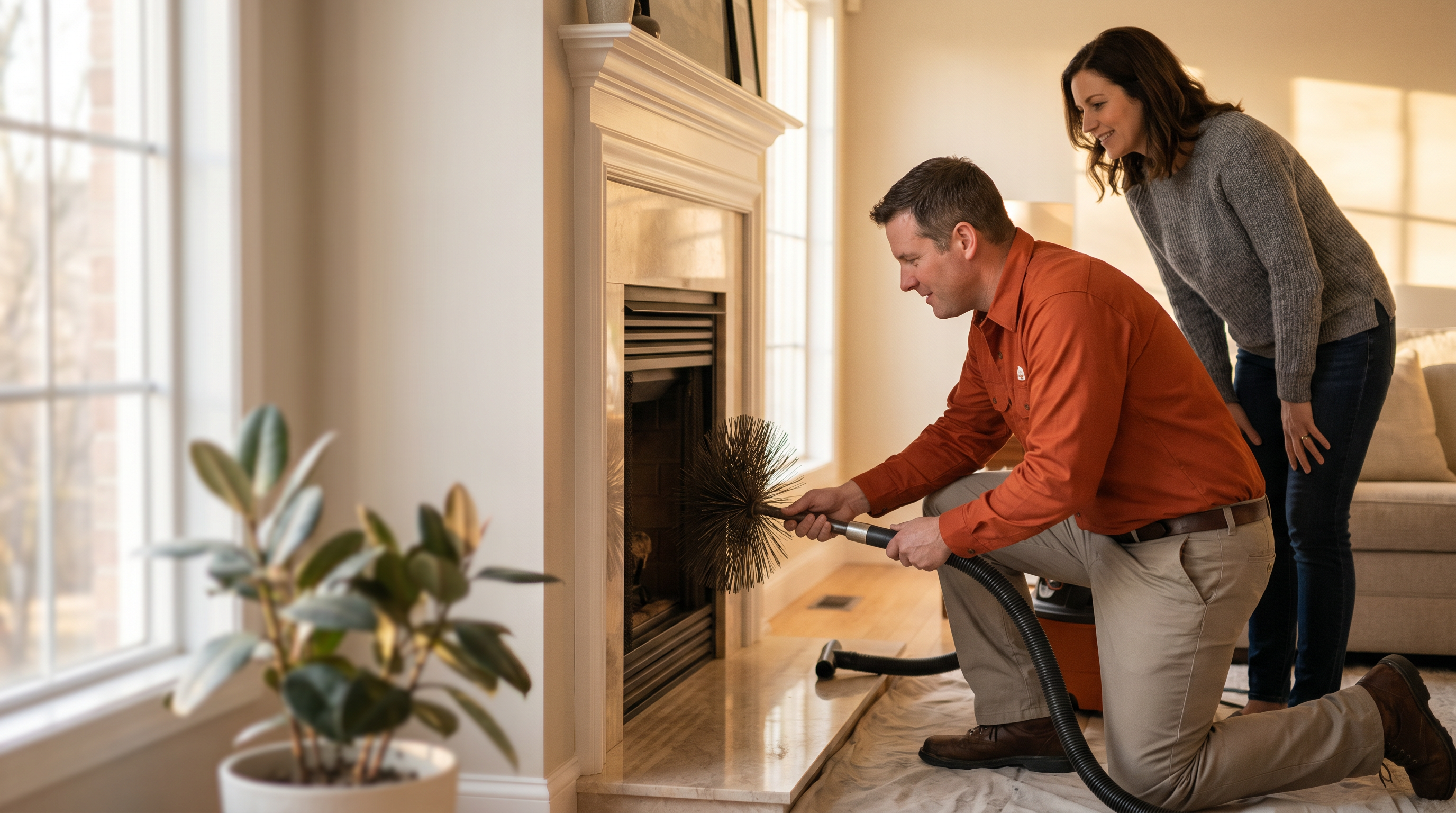

Crowns, caps, flashing and brick all sit out in the weather, and ICC building-code standards sets how they are built and flashed. NFPA 211 covers the flue behind them, and CSIA certifies the technicians who work on both. Water is the slow problem; a blocked or failed flue is the fast one, which is why CPSC alarm-placement guidance and CDC guidance on carbon-monoxide exposure matter even on a repair visit. USFA heating-fire data has the underlying numbers, CSIA’s homeowner guidance explains what to expect from a visit, and the National Chimney Sweep Guild lists certified sweeps.
Tell us what you need — we'll call you right back.
 Clear Path Chimneys