CSIA-Certified • Licensed & Insured
Told you need a liner? Before you spend a dime, it's worth knowing what's actually wrong up there.
Free estimate · No service fee · No obligation
Quick Answer
Do I need a chimney liner?
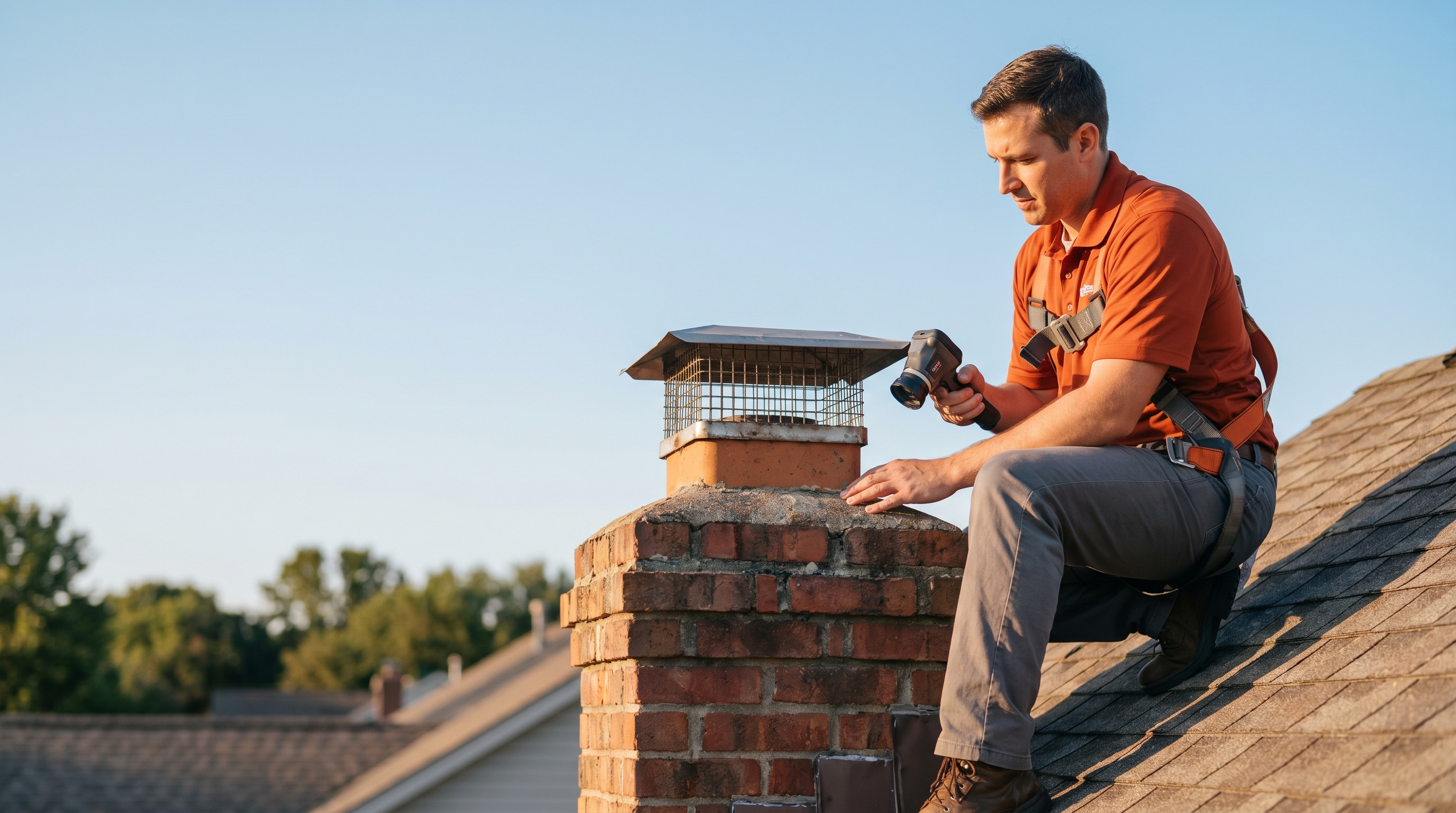
You need one if the flue is unlined or the clay tiles are cracked or flaking. A full stainless reline typically runs $2,500–$5,000+. A Level 2 camera scan confirms it — and if your tiles are intact, we say so.
Key Takeaways
Looking at a chimney liner or a reline? Whether you really need one comes down to the condition of the flue — unlined, cracked tiles, or a new appliance feeding into it. We check it, show you what we find, and explain what's needed before any work starts. No reline you don't actually need.
If a furnace tech flagged the flue, we confirm whether it is a liner, tile, or deterioration issue and quote it clearly.
If tiles are cracked or it is unlined, a stainless reline is the durable fix; the trade-off is upfront cost versus a safety and re-burn risk.
If it is only minor, sometimes a cleaning and inspection is all you need — we will tell you straight.
Not sure? Call and a tech will point you the right way before any truck rolls.
A stainless liner matters when the flue is unlined or cracked; correct liner sizing matters when you have switched to a high-efficiency furnace or a wood stove.
“The tech called before he came, showed me photos of the cracked crown right on his phone, and gave me the price on the spot. No pressure, no upsell. Honestly refreshing.”
“Our cap blew off in a storm and they were out the next morning. Clean, on time, and a good bit cheaper than the first quote I got. They left zero mess.”
“I'd been putting the chimney off for two winters. One free estimate and I finally knew what I was actually dealing with. Booked it before they left.”
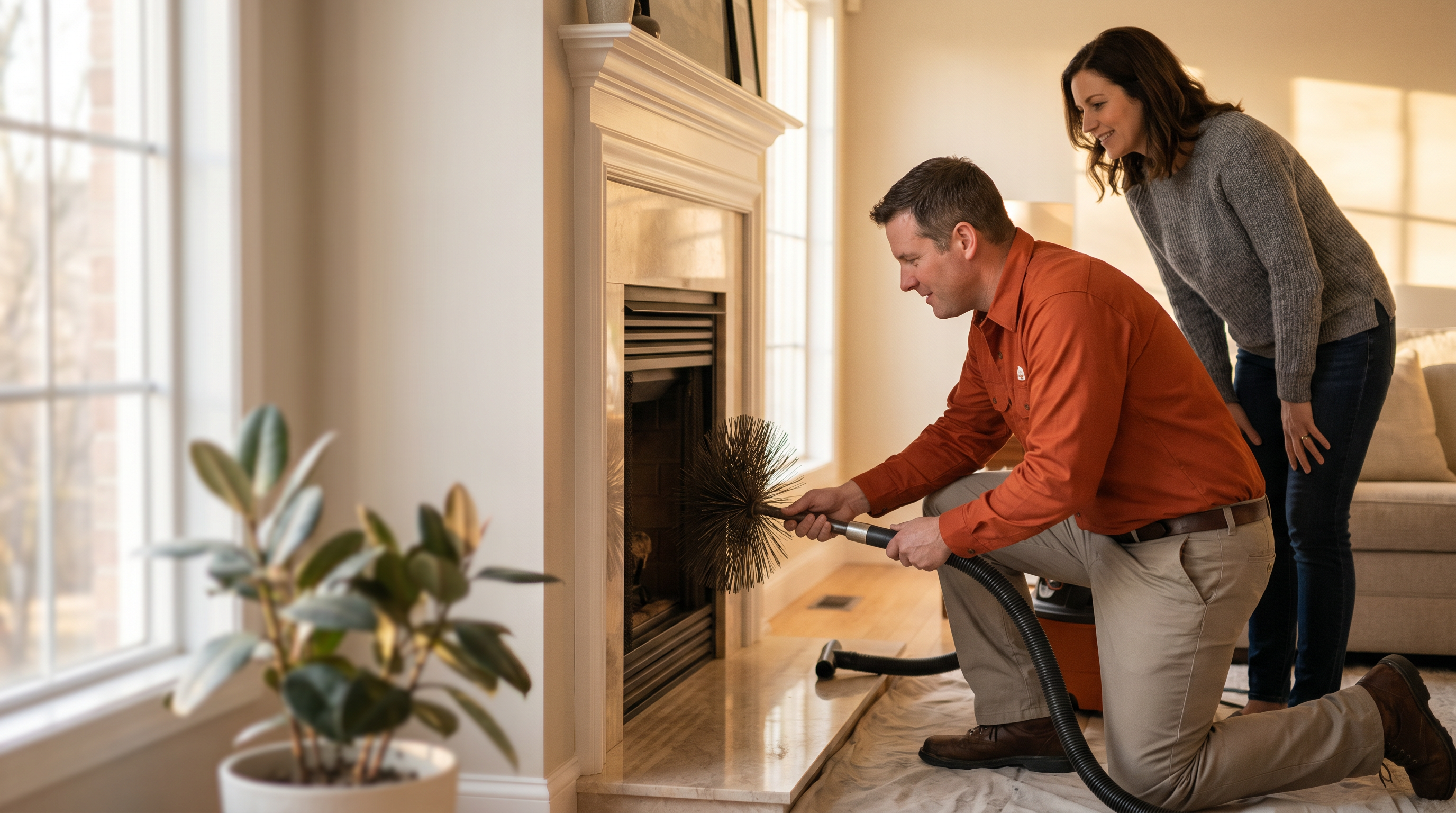

NFPA 211 is the standard governing liner material, sizing and clearance, and ICC building-code standards covers how it is installed. An unlined or cracked flue is how combustion gas reaches living space — CDC guidance on carbon-monoxide exposure has the symptoms and CPSC alarm-placement guidance covers the placement that catches it early. Correct sizing matters for efficiency too, which is what EPA Burn Wise addresses, and CSIA certifies the technicians who do the work. CSIA’s homeowner guidance is worth reading before you commit, USFA heating-fire data shows what is at stake, and the National Chimney Sweep Guild lists certified sweeps.
Tell us what you need — we'll call you right back.
 Clear Path Chimneys