CSIA-Certified • Licensed & Insured
Installing a wood or wood-burning stove? We handle clearances, hearth pad, flue, and permits.
Free estimate · No service fee · No obligation

Quick Answer
What does wood stove installation involve?
Venting a wood stove into an older masonry chimney almost always needs a correctly sized stainless liner. Hearth and wall clearances are set by building code. We handle the liner, the install and the clearances.
Key Takeaways
Planning a wood stove installation? Safe clearances, the right flue, and a proper hearth are what make it pass inspection and draft well.
If you have an existing masonry chimney, we line it to the stove and set clearances — usually the simplest path.
If there is no chimney, Class A insulated pipe runs up or out; the trade-off is more material cost for placement freedom.
If you are replacing an old stove, we confirm the flue size matches the new unit.
Not sure? Call and a tech will point you the right way before any truck rolls.
A correctly sized stainless liner matters when venting a wood stove into an older masonry chimney; hearth clearances matter for code.
“The tech called before he came, showed me photos of the cracked crown right on his phone, and gave me the price on the spot. No pressure, no upsell. Honestly refreshing.”
“Our cap blew off in a storm and they were out the next morning. Clean, on time, and a good bit cheaper than the first quote I got. They left zero mess.”
“I'd been putting the chimney off for two winters. One free estimate and I finally knew what I was actually dealing with. Booked it before they left.”
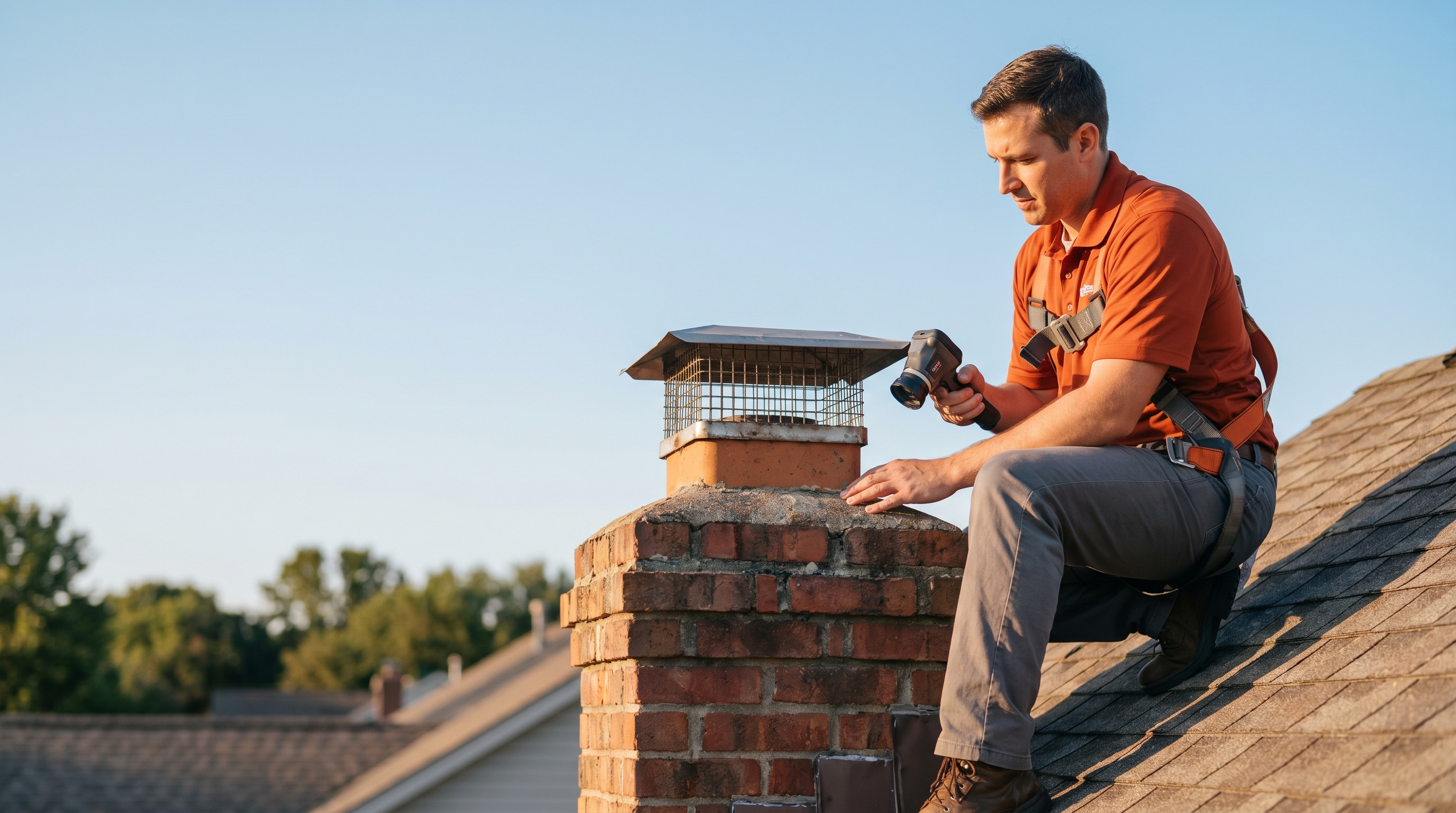
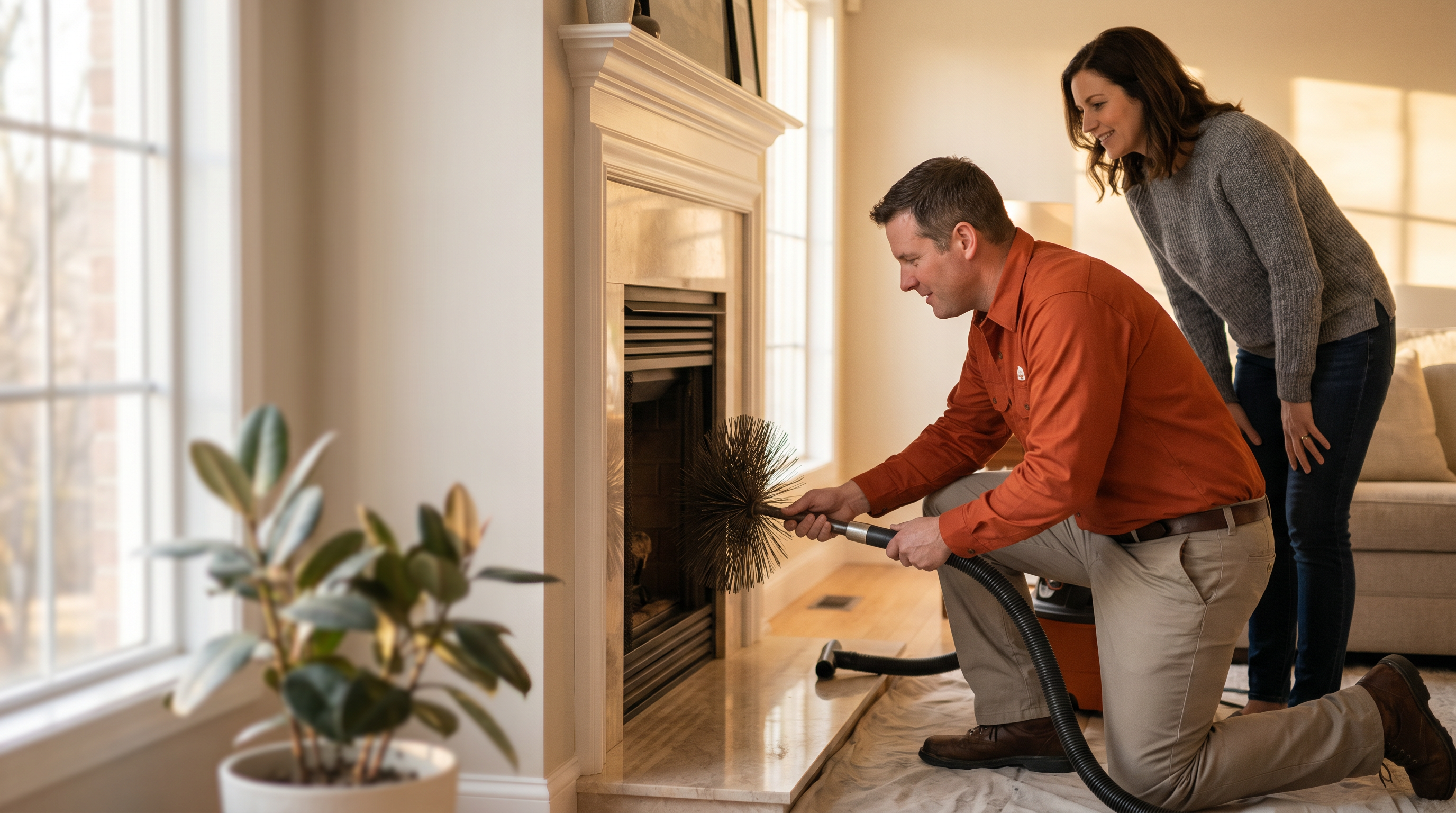
A new stove, insert or gas unit is only as safe as its venting. NFPA 211 governs flue sizing and connector runs, ICC building-code standards sets clearance to combustibles and hearth construction, and CSIA certifies the technicians who do the install. EPA Burn Wise covers certified appliances and what they actually save, what wood smoke does to your lungs the health side, and local air-quality readings tell you when conditions make burning a bad idea. CPSC alarm-placement guidance covers where the alarms belong for a new appliance, USFA heating-fire data covers the fire risk, and the National Chimney Sweep Guild lists certified sweeps.
Tell us what you need — we'll call you right back.
 Clear Path Chimneys